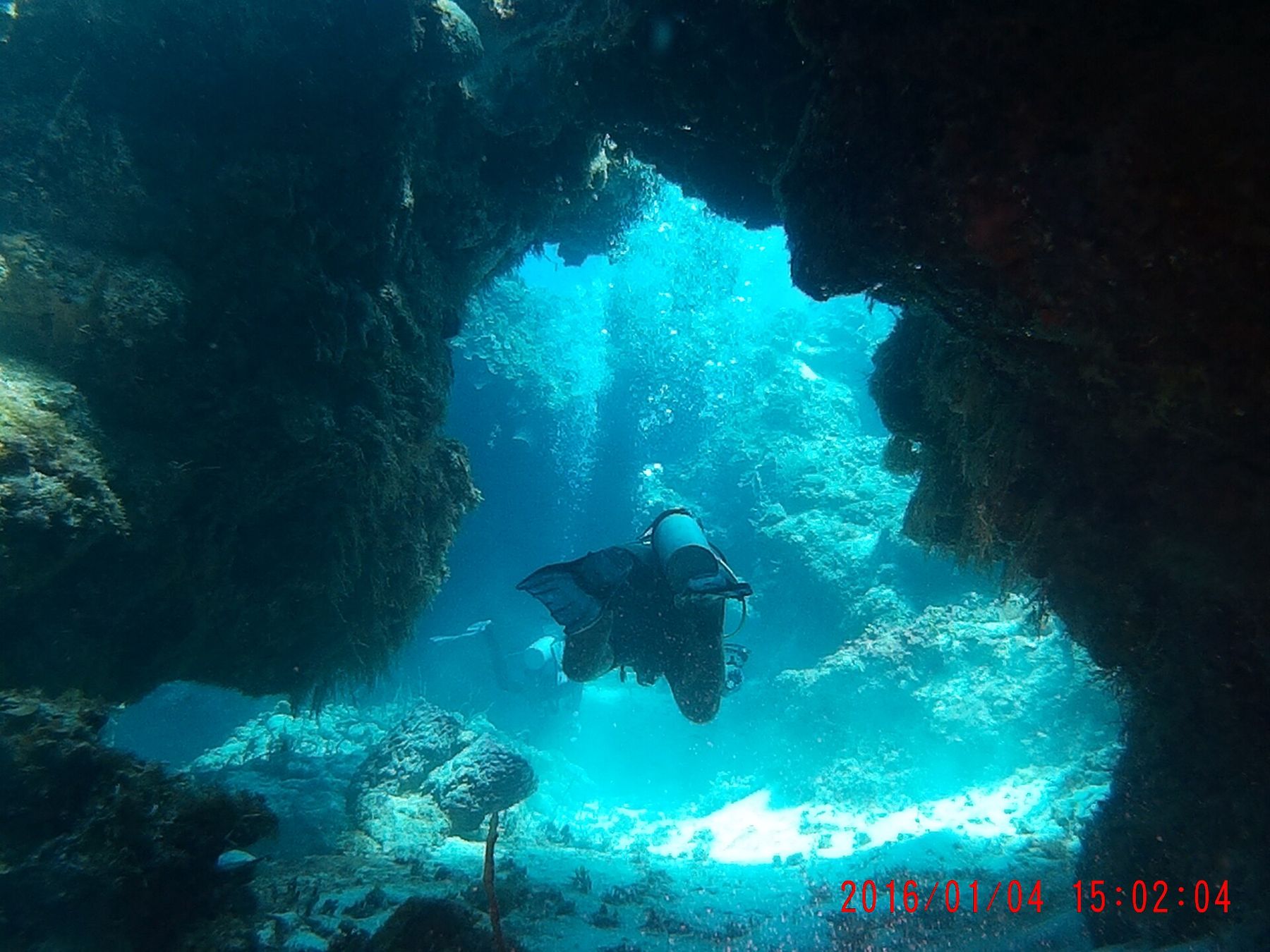
The fee comes first, usually as a plastic wristband. Most visitors pay it without much thought, at the dock or added to the price of the trip, and then forget about it. It is worth knowing what it stands for. Almost every reef you dive or snorkel off Cozumel's west and south coasts lies inside a protected area, the Cozumel Reefs National Park, and the band on your wrist is your entry to it.
This entry explains the park in general terms: where it is, what the fee covers, the rules underwater, and why they are stricter than on many reefs elsewhere. Details such as fee amounts and permitted sites are set by the park authority and change, so check before you go.
Where the park is
The national park was created in the 1990s to protect the reefs along the southwestern side of Cozumel, from near the town of San Miguel down to the southern tip at Punta Sur. That stretch includes most of the island's famous sites: Palancar, Colombia, Santa Rosa, and the shallow sandy areas such as El Cielo. The marine area extends offshore from the beach to the edge of the deep channel.
Some shore entries, piers and sites near town fall outside the core zones, and the rules can differ there. The reef does not know where the boundary lies, though, so the same manners make sense anywhere on the island.
The fee and the wristband
Visitors entering the park to dive or snorkel pay a daily fee. On boat trips it is usually handled by the operator, who either includes it in the price or collects it separately, and hands out wristbands for the day. Some parks and visitor areas on the island charge their own separate entry fees as well.
The money supports patrols, mooring buoys, monitoring and management of the reef. Amounts and the way the fee is collected have changed over the years and may change again. Ask your operator when you book whether the fee is included, and keep the band on while you are on the water; rangers can check boats.
Rules underwater
The core rules are short and apply to divers and snorkellers alike:
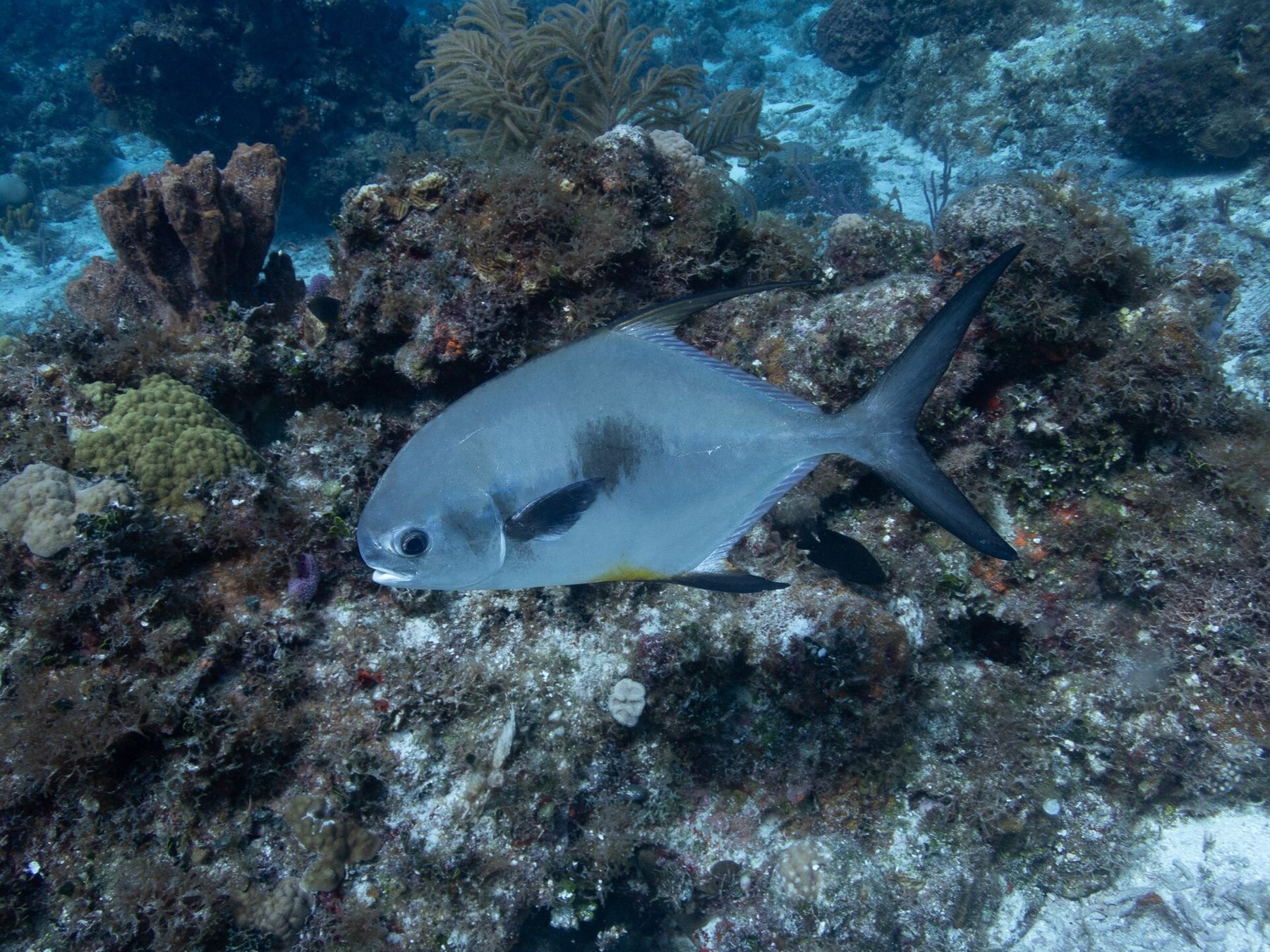
- No touching. Do not touch, stand on, kneel on or hold coral, sponges or any other living thing on the reef. That includes turtles, rays and fish.
- No gloves. Gloves are not allowed in the park. Without them, divers are much less inclined to grab the reef.
- No feeding. Feeding fish changes their behaviour, harms their health and draws aggressive species to divers.
- No collecting. Shells, coral, sand, and living or dead animals stay where they are. Fishing and spearfishing are prohibited in the protected zones.
- Licensed operators only. Dive and snorkel trips inside the park are run by operators with park permits. Boats tie to mooring buoys or drift; anchoring on the reef is not allowed.
Most operators add their own requirements: maximum depths, group sizes, and dive within your training and your computer's limits. Some sites may be closed temporarily to let the reef recover, or limited to a set number of visitors per day. Your guide will know which sites are open.
Why the rules are strict
Cozumel's reefs receive a very large number of visitors. Each diver or snorkeller touching coral once does little, but many thousands doing it every week wears a reef down. Coral tissue is thin and easily damaged, and broken or scraped coral is more open to disease. Since stony coral tissue loss disease reached the Mexican Caribbean in 2018, that matters more than ever. The entry on the wider reef covers the disease and bleaching in more detail.
Current makes the no-touch rule harder to follow. Drift diving means moving steadily along the reef, sometimes faster than you would like, and the temptation is to hold on. The answer is good buoyancy and staying a little higher off the reef, not grabbing it. The entry on how drift dives work covers technique.
Sunscreen and what you bring
Some sunscreen ingredients are thought to harm corals and other reef life. Many visitor areas in the Mexican Caribbean ask for biodegradable or reef-safe products, and some ban others outright. Rules and labels vary, so the simplest approach is to cover up with a rash guard or wetsuit and use a mineral sunscreen only on exposed skin. The entry on reef manners goes into more detail.
Leave plastic bags and loose items in your bag on the boat. Anything dropped overboard tends to end up on the reef or in the channel.
The same goes for gear. Clip away dangling hoses and gauges, keep camera lanyards short, and make sure fins and weights fit before you leave the dock. Loose equipment that drags across the reef breaks coral as surely as a hand does, and it is far easier to fix on the boat than in the water.
Conditions and the port
The park is also subject to the sea itself. In strong winds, especially the winter northers, the port captain can close the harbour to small boats, and all diving and snorkelling stops until the weather eases. The captain and dive guide decide on the day whether a site is safe. Conditions in the header are typical, not promised, and change daily.
Following the rules is not difficult. It mostly means looking, not touching, and accepting that the reef was here first. The band on your wrist is a small reminder of that.
Who shot these frames
- Johnnie Flashlite, CC BY-SA 4.0
- no rights reserved, CC0