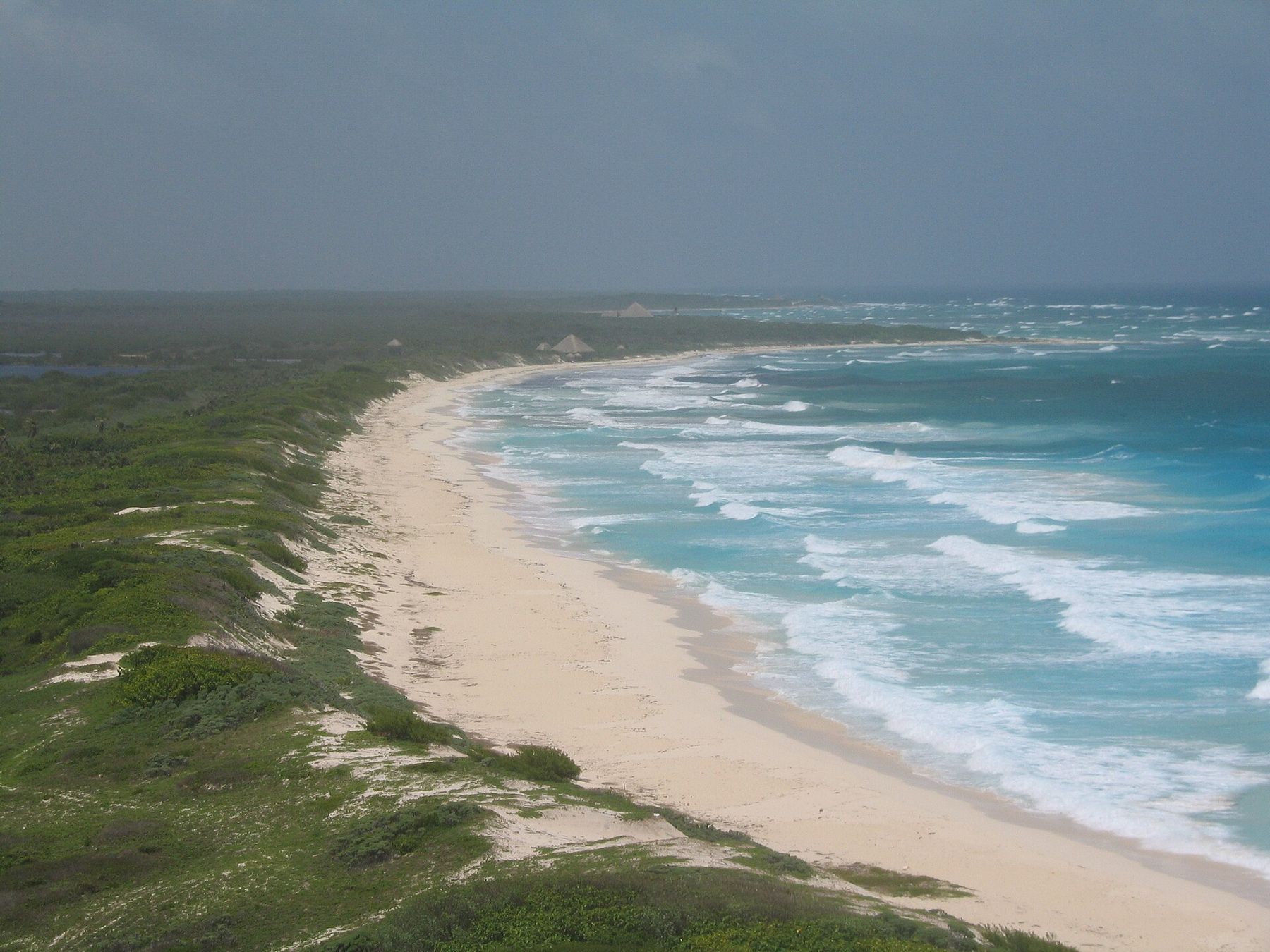
Sea temperature off the Riviera Maya and Cozumel stays warm all year, which is why divers and snorkellers come in every month. What changes is the weather around the water: wind from the north in winter, storms in late summer and autumn, and in some years, mats of sargassum seaweed piling up on the beaches. Visibility and comfort follow those patterns.
This entry sets out the general picture, month by month. It describes typical conditions, not forecasts. Weather varies from year to year and from day to day, and the captain and dive guide decide whether a site is diveable. Check before you go, and check again on the morning.
Temperature through the year
Water temperature tends to be lowest in late winter, roughly 26 °C, and highest in late summer, around 29 or 30 °C at the surface. The change is gentle. Many divers wear a 3 mm wetsuit in winter and a shorty or just a rash guard in summer, though people feel the cold differently and several dives a day can chill anyone.
Very warm water in late summer is pleasant for swimmers but hard on corals. Long periods of high temperature can bleach reefs, as the entry on the Mesoamerican Reef explains.
Winter: northers
From roughly November to March, cold fronts sweep down from North America and bring strong north winds, called northers or nortes. A norther can last from a day to several days. It raises chop, stirs sediment and can close ports to small boats, including the ferries and dive boats from Playa del Carmen and Cozumel.
Northers affect sites differently. On Cozumel, the west-side reefs are sheltered from the usual trade winds, but a north wind blows straight down the channel and can make the boat rides rough and the surface choppy. Southern sites sometimes stay diveable when the northern ones are not, and the captain may move the group accordingly. On the mainland, the reefs behind the crest at Puerto Morelos and elsewhere can stay calmer in the lagoon even when the open sea is rough, though visibility often suffers.
Between fronts, winter often brings clear skies and good visibility. Air temperatures are milder, and the water is still warm by most standards. If you are planning a winter trip, allow spare days in case a norther closes the port. The entry on the ferry crossing covers what happens when the port closes.
Spring: the settled stretch
From around March to June, the weather is usually at its most settled. Northers become less frequent, the hurricane season has not yet begun, and winds are often lighter. Visibility on Cozumel's reefs is often excellent, with water clarity commonly reaching twenty metres or more on good days.
Spring is also the start of sargassum season in years when it arrives, which is covered below. Easter and other holiday periods can make boats and beaches busier.
Summer and autumn: storms
The Atlantic hurricane season runs from June to November, with the greatest risk usually from August to October. Most weeks in this period bring no storm at all, just heat, humidity and afternoon showers. But a tropical storm or hurricane can close ports, damage reefs and disrupt travel for days. Watch the forecasts, and follow official advice if a storm approaches.
The water is at its warmest, and on calm days visibility can be very good. Plankton blooms sometimes reduce clarity near the coast. On the plus side, summer often has gentle winds between weather systems, and some of the calmest sea days of the year.
If a storm does pass close, expect the effects to last beyond the day it hits. Swell can keep ports closed for a while afterwards, and stirred-up sediment can reduce visibility on shallow reefs for several days. Strong storms can also break coral and move sand, changing how a familiar site looks. Operators usually reopen the sheltered sites first and the exposed ones later. Travel insurance that covers weather disruption is worth considering for trips in the peak months.
November is a month of overlap. The hurricane season is formally still open, the first northers of winter often arrive, and the sea can switch between the two moods within a week. Many days are calm and clear, but plans in that month benefit from the most flexibility of all.
Sargassum
Sargassum is a brown, floating seaweed that drifts in mats across the Atlantic. Since around 2011, the Caribbean has seen much larger amounts in some years, and the Mexican coast has had heavy landings in several of them. It tends to arrive in spring and summer, roughly April to August, though the timing and amount vary widely from year to year and some years see very little.
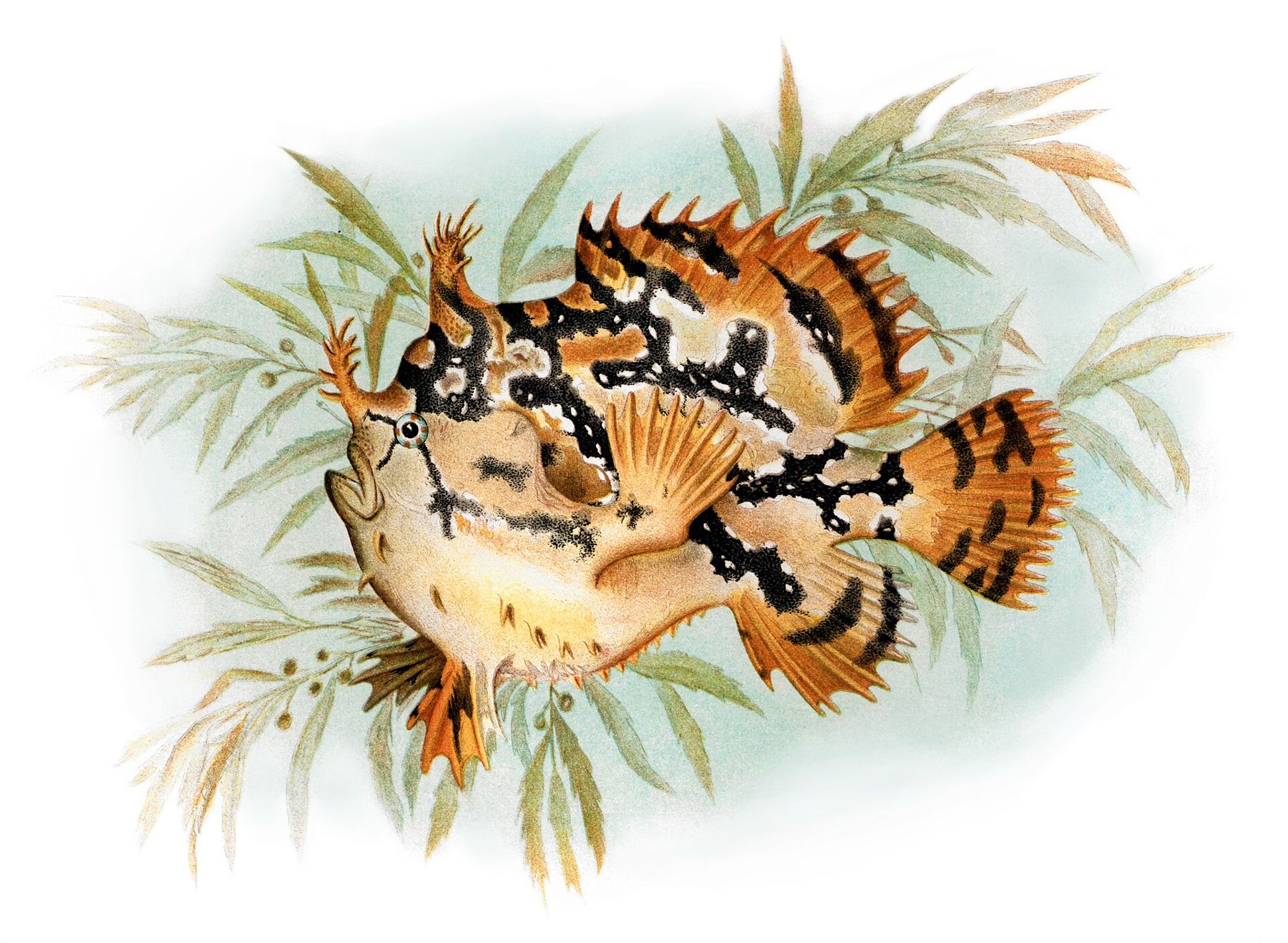
When it piles up on the beach and in the shallows, sargassum can discolour the water near shore and smell as it rots. It mostly affects east-facing beaches on the mainland and Cozumel's exposed east coast. Offshore reefs and the sheltered west side of Cozumel are often much less affected. Out at sea, the mats themselves shelter small fish, crabs and the camouflaged sargassum fish.
Several monitoring services publish sargassum outlooks during the season. Check them before you go, and keep plans flexible; an affected beach one week may be clear the next.
Choosing a time
There is no bad month to be in the water here, only trade-offs:
| Period | Water | Main risk |
|---|---|---|
| December to February | Coolest, around 26 °C | Northers, port closures |
| March to May | Warming | Early sargassum in some years |
| June to August | Warm | Sargassum, early storms |
| September to November | Warmest, then cooling | Peak hurricane season, first northers |
Whatever month you choose, treat conditions as typical, not promised. Build in spare days, keep an eye on the forecast, and follow the guide's call on the day. The entry on reef manners covers sun protection, which matters in every season.
Who shot these frames
- gren or Rydia, Public domain
- A. H. Baldwin, Public domain

