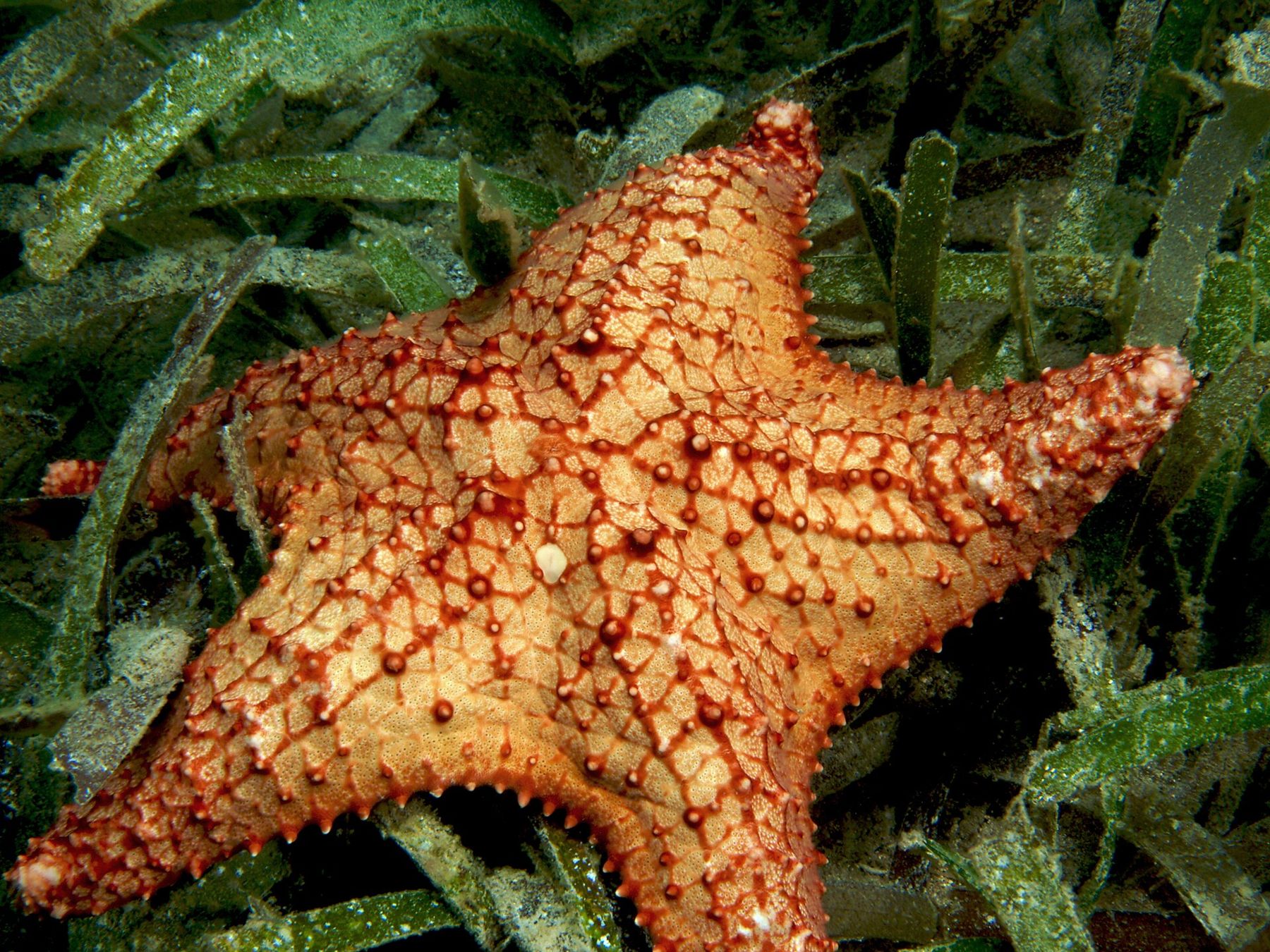
The rule comes first, because at El Cielo it matters more than anything else: do not lift a sea star out of the water. Not for a photo, not for a moment. Cushion sea stars breathe and feed through their bodies, and air, handling and sunscreen all harm them. Look at them where they lie, in the sand, and leave them there.
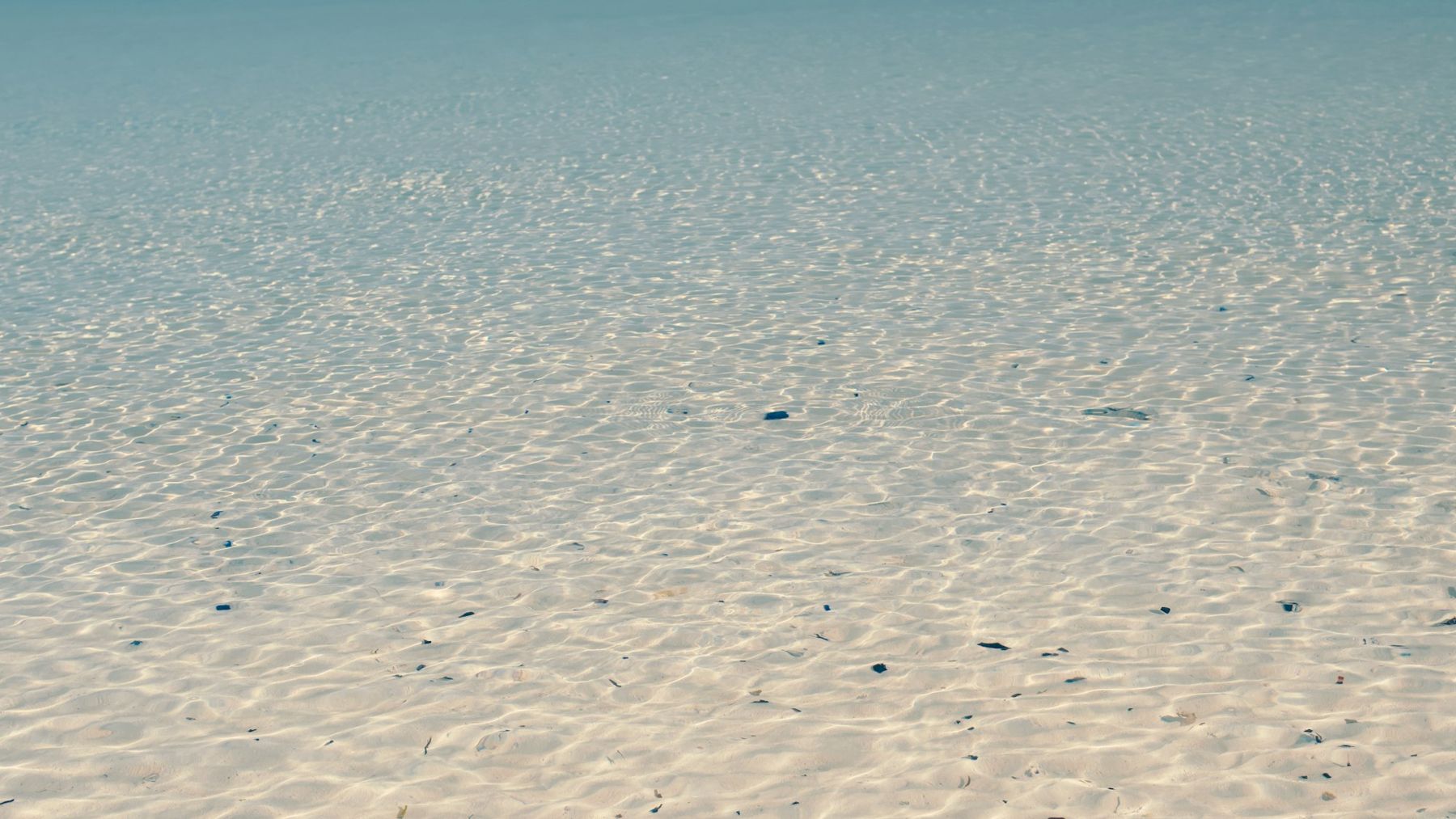
With that said, El Cielo is one of the gentlest stops on any Cozumel boat trip. The name means "the sky", and on a still day the reason is plain: the water is so clear and pale over the white sand that the surface seems to disappear.
Where it is
El Cielo is a shallow sand flat off the island's southwest coast, inside the Arrecifes de Cozumel National Park. There is no shore access and no beach to walk from. You reach it on a snorkel tour or as a stop on a boat trip, usually combined with one or two reef sites nearby.
Depth over the sand is typically about one to three metres, shallow enough that taller adults could stand in places. Standing on the sand is not the point, though: fins stir it up, and the sea stars and small life on the bottom do better if you float.
What you see
The main sight is the cushion sea star, a thick, five-armed star that can grow larger than a dinner plate. Colours run from orange and red to tan and brown, often with a pattern of darker knobs across the top. They lie scattered across the sand, sometimes alone and sometimes in groups.
Look around them for smaller life. Southern stingrays sometimes rest or feed on the sand, half buried, with only their eyes and outline showing. Small fish shelter around any coral rubble or seagrass, and juvenile fish hide in the shade of the boat itself.
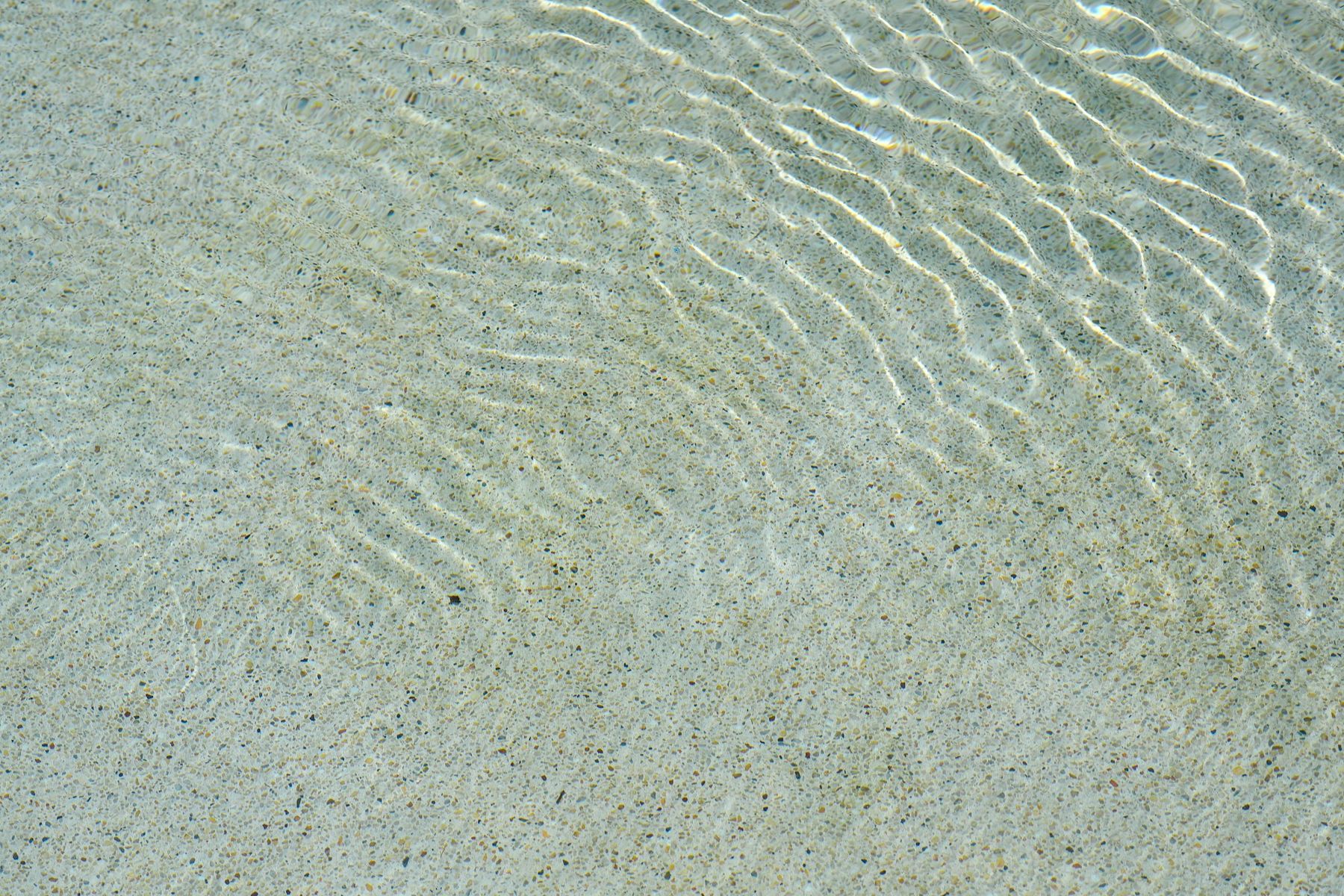
Because it is so shallow, El Cielo is also a good place for nervous swimmers and children to get used to a mask and snorkel. The water is usually calm, the bottom is close and the boat is never far away.
Look, don't touch
The sea stars at El Cielo have suffered from attention. For years visitors picked them up for photos, and the practice harmed them. The rules of the marine park forbid touching, handling or removing any animal, and tour crews are expected to enforce that.
- Do not touch or lift sea stars, rays or anything else on the bottom.
- Float rather than stand, and keep your fins well above the sand.
- Do not feed fish or rays.
- Use a rash guard or a mineral sunscreen rather than heavy lotion.
- Keep a polite distance from other snorkellers' photographs and from any ray on the sand.
More on the habits that protect shallow reefs is in the entry on reef manners and sun protection.
Fees, closures and changes
El Cielo is part of the national park, so the park fee applies, usually collected by the tour operator or as a wristband. The amount and the way it is collected change, and so do the rules on how many boats can visit and for how long. Like other spots in the park, El Cielo can be closed for rest, recovery or after a storm. Check before you go, and do not be surprised if a planned stop changes on the day.
The general fee and rule picture for the whole reef system is explained in the entry on the marine park and its rules.
Conditions
El Cielo is sheltered by the island, so it is usually calm when the wind blows from the east, which it does for much of the year. Strong north winds in the cooler months can make the water choppy or close the port to small boats entirely. Visibility is often excellent over the sand but drops if many fins stir it up or after a storm.
A mild current can run across the flat. Wear a vest if you are not a strong swimmer, stay near your group, and keep an eye on the boat. The header figures are typical, not promised. Conditions change daily, and the captain and crew decide whether the stop is made and how long it lasts.
Fitting it into a day
El Cielo is often the last, easy stop after deeper reef sites in the south, or a stop on a snorkel-only trip that also visits shallow reef. Divers sometimes snorkel it after two tanks, which suits a long surface interval and keeps the day gentle.
If you want to see the southern end of the island from land as well, the entry on Punta Sur covers the park at the tip, its lighthouse and its lagoon.
Snorkel basics for the stop
Because the water is so shallow, it is easy to forget that this is still open sea. Put your vest on before you climb down the ladder, fit your mask on the boat rather than in the water, and enter slowly. Keep your fins on, even though you could stand: they give you control, and standing in fins on sand is the easiest way to lose balance and grab at the bottom.
Agree a signal with your group for coming back to the boat, and look up every few minutes to check where it is. Small boats move around the area, so stay within the zone the crew points out.
Bring a light layer for the boat, plenty of water and a hat. Leave the sea stars exactly as you found them, and El Cielo will still be worth the trip for the next boat.
Who shot these frames
- Nhobgood Nick Hobgood, CC BY-SA 3.0
- Fahrul Razi, Unsplash License
- Margo Evardson, Unsplash License